
Overview
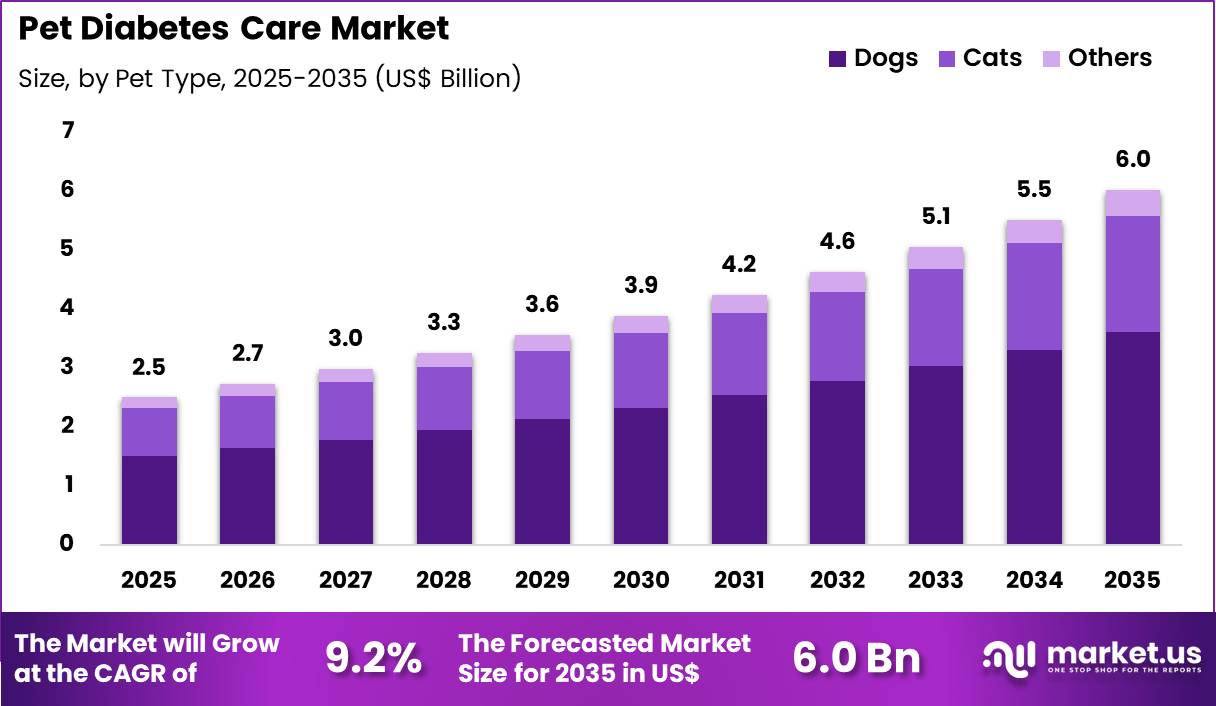
New York, NY – Nov 23 2026 – The Global Pet Diabetes Care Market size is expected to be worth around US$ 6.0 Billion by 2035 from US$ 2.5 Billion in 2025, growing at a CAGR of 9.2% during the forecast period 2026-2035. In 2025, North America led the market, achieving over 39.4% share with a revenue of US$ 1.0 Billion.
Pet diabetes care is becoming an important part of veterinary healthcare as awareness of diabetes mellitus among companion animals continues to increase. Diabetes is a chronic metabolic condition that affects the body’s ability to regulate blood glucose levels due to insufficient insulin production or ineffective insulin utilization. It is commonly diagnosed in dogs and cats and requires ongoing medical attention and lifestyle management.
Pet diabetes care includes a range of products and services designed to support the diagnosis, treatment, monitoring, and long-term management of the condition. Key components include insulin therapies, blood glucose monitoring devices, continuous glucose monitoring systems, veterinary consultations, prescription diets, and nutritional supplements.
The growing focus on preventive veterinary healthcare, increasing pet ownership, rising expenditure on animal health, and improved access to advanced diagnostic technologies are supporting the development of the pet diabetes care sector. Additionally, increasing awareness among pet owners regarding early diagnosis and regular glucose monitoring is contributing to the adoption of specialized diabetes management solutions.
With continued advancements in veterinary medicine, digital health monitoring, and pet nutrition, the pet diabetes care sector is expected to witness new opportunities for innovation. These developments are anticipated to improve treatment outcomes, strengthen disease management, and enhance the overall quality of life of diabetic pets.
Key Takeaways
- In 2025, the global pet diabetes care market was valued at US$ 2.5 billion, growing at a CAGR of 9.2%, and is projected to reach US$ 6.0 billion by 2035.
- Based on pet type, the market is segmented into dogs, cats, and others. Among these, dogs dominated the market, accounting for a share of 59.9%.
- By product type, the market is categorized into insulin, glucose monitoring devices, syringes and pen needles, diabetic food, dietary supplements, and others. Among these, insulin emerged as the leading segment, capturing a market share of 43.5%.
- Based on distribution channel, the market is divided into veterinary hospitals and clinics, retail pharmacies, online pharmacies, and pet specialty stores. Veterinary hospitals and clinics dominated the segment, accounting for the largest revenue share of 55.7%.
- Regionally, North America dominated the global pet diabetes care market, accounting for a market share of 39.4%.
Key Market Segments
- Pet Type Analysis: Dogs dominated the pet diabetes care market, accounting for 59.9% of the segment share. This dominance is attributed to higher diabetes diagnosis rates, regular veterinary consultations, and greater owner awareness of canine health. Increasing adoption of preventive healthcare, long-term insulin treatment, and routine glucose monitoring is expected to sustain demand for diabetes care products among dogs.
- Product Type Analysis: Insulin emerged as the leading product segment, accounting for 43.5% of the market. Its dominance is supported by its essential role in regulating blood glucose levels in diabetic dogs and cats. Rising diagnosis rates, continuous treatment requirements, improved insulin delivery systems, and growing awareness of veterinary diabetes management are expected to strengthen segment demand.
- Distribution Channel Analysis: Veterinary hospitals and clinics dominated the distribution channel segment, capturing 55.7% of the market. Their leading position is driven by their role in disease diagnosis, insulin prescription, glucose monitoring, and treatment supervision. Increasing veterinary healthcare expenditure, regular follow-up consultations, and growing reliance on professional guidance are expected to support the segment’s continued growth.
Regional Analysis
North America Dominates the Pet Diabetes Care Market
North America dominated the pet diabetes care market in 2025, accounting for 39.4% of the global market share. This growth is supported by rising pet healthcare expenditure, increasing awareness of chronic metabolic disorders, and well-established veterinary healthcare infrastructure. Higher obesity rates among companion animals and improved diagnostic capabilities have contributed to the identification of diabetes cases in dogs and cats.
Furthermore, growing adoption of insulin therapies, glucose monitoring devices, and specialized diabetic diets is strengthening regional demand. The presence of advanced veterinary clinics, specialized treatment facilities, and leading animal healthcare companies is also supporting market development. Increasing investments in veterinary diagnostics and digital health monitoring solutions are expected to further strengthen North America’s market position.
Asia Pacific Expected to Register the Highest CAGR
Asia Pacific is expected to register the highest CAGR during the forecast period, driven by rising pet ownership, increasing disposable incomes, and growing awareness of companion animal healthcare. Expanding veterinary infrastructure, improved diagnostic services, and greater availability of insulin therapies and glucose monitoring devices are supporting regional market growth.
Increasing adoption of preventive veterinary care across China, India, Japan, and South Korea is expected to create further opportunities.
Emerging Trends
- Increasing Adoption of Continuous Glucose Monitoring Systems: Continuous glucose monitoring (CGM) systems are gaining importance in pet diabetes management. These devices measure glucose levels throughout the day and help veterinarians identify glucose fluctuations and low blood sugar episodes. Wider availability of affordable monitoring devices is supporting their adoption in veterinary care.
- Introduction of Oral Diabetes Medicines for Cats: Oral sodium-glucose cotransporter 2 (SGLT2) inhibitors are creating new treatment opportunities in feline diabetes care. These medicines reduce blood glucose by increasing glucose removal through urine. They offer an alternative to insulin injections for eligible, newly diagnosed cats that meet veterinary treatment criteria.
- Development of Advanced Insulin Formulations: The development of longer-acting insulin formulations is improving treatment options for diabetic pets. Veterinary guidelines highlight insulin products such as degludec and glargine U-300 for dogs. These formulations may support longer glucose control and reduce treatment frequency in suitable patients.
- Growing Focus on Specialised Pet Nutrition: Dietary management is becoming an important part of diabetes treatment, particularly for overweight cats. Low-carbohydrate, high-protein diets and controlled weight management are increasingly recommended. Specialised veterinary foods are supporting glucose regulation and helping maintain healthy body weight.
- Increasing Use of Home-Based Diabetes Monitoring: Pet owners are increasingly participating in diabetes management through home glucose testing, weight tracking, and monitoring food and water consumption. Home-based monitoring provides veterinarians with useful information about daily health changes and supports better treatment adjustments.
Use Cases
- Blood Glucose Monitoring and Diabetes Diagnosis: Veterinary clinics use glucose meters and laboratory tests to identify elevated blood glucose levels and confirm diabetes. These diagnostic methods help veterinarians assess disease conditions, establish treatment plans, and monitor changes in glucose levels during treatment.
- Insulin Administration and Treatment Management: Insulin products are used to manage diabetes in pets that cannot maintain appropriate blood glucose levels naturally. Veterinary professionals prescribe suitable insulin types and doses, while pet owners administer injections at home according to the recommended treatment schedule.
- Continuous Glucose Tracking in Veterinary Care: CGM devices are used to monitor glucose fluctuations over extended periods. Veterinary professionals can use the collected readings to assess treatment effectiveness, identify unexpected glucose changes, and reduce dependence on repeated blood sampling during monitoring.
- Specialised Nutrition and Weight Management: Prescription diets and nutritional products are used to support diabetic pets, particularly animals affected by obesity or insulin resistance. Veterinary-directed dietary plans help manage carbohydrate intake, maintain appropriate body weight, and support overall metabolic health.
- Long-Term Home Care and Disease Management: Home-based diabetes care involves glucose monitoring, medication administration, regular feeding schedules, and tracking changes in appetite, drinking, and urination. These practices help pet owners maintain consistent treatment routines and provide veterinarians with information during follow-up consultations.
Frequently Asked Questions About Pet Diabetes Care
- What are the common symptoms of diabetes in pets?
Common symptoms include increased thirst, frequent urination, increased appetite, unexplained weight loss, and reduced energy levels. Some diabetic cats may also develop weakness in their hind legs. Early veterinary diagnosis helps prevent serious health complications. - Why is glucose monitoring important for diabetic pets?
Glucose monitoring helps veterinarians evaluate treatment effectiveness, identify dangerously low blood sugar levels, and adjust treatment when necessary. Regular monitoring also helps pet owners understand changes in their animals’ health and treatment response. - What is the role of nutrition in pet diabetes management?
Nutrition supports blood glucose management and healthy body weight in diabetic pets. Low-carbohydrate, high-protein diets may benefit diabetic cats, while dietary recommendations for dogs are generally individualised according to their weight and health conditions. - What are the major factors driving the pet diabetes care market?
Market growth is supported by increasing awareness of animal health, demand for advanced veterinary treatments, improved glucose monitoring technologies, and greater attention to preventive healthcare. The need for long-term diabetes management also supports product demand. - Which distribution channels are important in the pet diabetes care market?
Veterinary hospitals, animal clinics, veterinary pharmacies, specialised pet stores, and online retailers are important distribution channels. Veterinary professionals influence product selection, while online platforms provide additional purchasing convenience for recurring diabetes care supplies. - What are the emerging opportunities in the pet diabetes care market?
Opportunities are emerging through affordable glucose monitoring devices, improved insulin formulations, oral diabetes medicines for eligible cats, and specialised nutritional products. Greater access to veterinary services may further support adoption of advanced diabetes care solutions. - How are veterinary hospitals contributing to the pet diabetes care market?
Veterinary hospitals support market development by providing diabetes diagnosis, laboratory testing, insulin treatment, glucose monitoring, and follow-up consultations. Their role in treatment selection and disease management also influences demand for veterinary medicines and monitoring devices. - What is the future outlook for the pet diabetes care market?
The market outlook is supported by advancements in veterinary treatment, increasing adoption of home monitoring, and expanding options for feline diabetes management. Continued improvements in affordability, accessibility, and treatment convenience may support future market development.
Conclusion
The global pet diabetes care market is expected to witness significant growth, supported by increasing pet ownership, rising veterinary healthcare expenditure, and growing awareness of diabetes management among companion animals. The market, valued at US$ 2.5 billion in 2025, is projected to reach US$ 6.0 billion by 2035, at a CAGR of 9.2%.
Increasing adoption of insulin therapies, continuous glucose monitoring devices, and specialised nutritional products is strengthening market development. Furthermore, advancements in oral diabetes medicines, digital monitoring technologies, and home-based care are creating new opportunities for innovation, improved treatment outcomes, and long-term pet health management.
Discuss your needs with our analyst
Please share your requirements with more details so our analyst can check if they can solve your problem(s)