


Overview
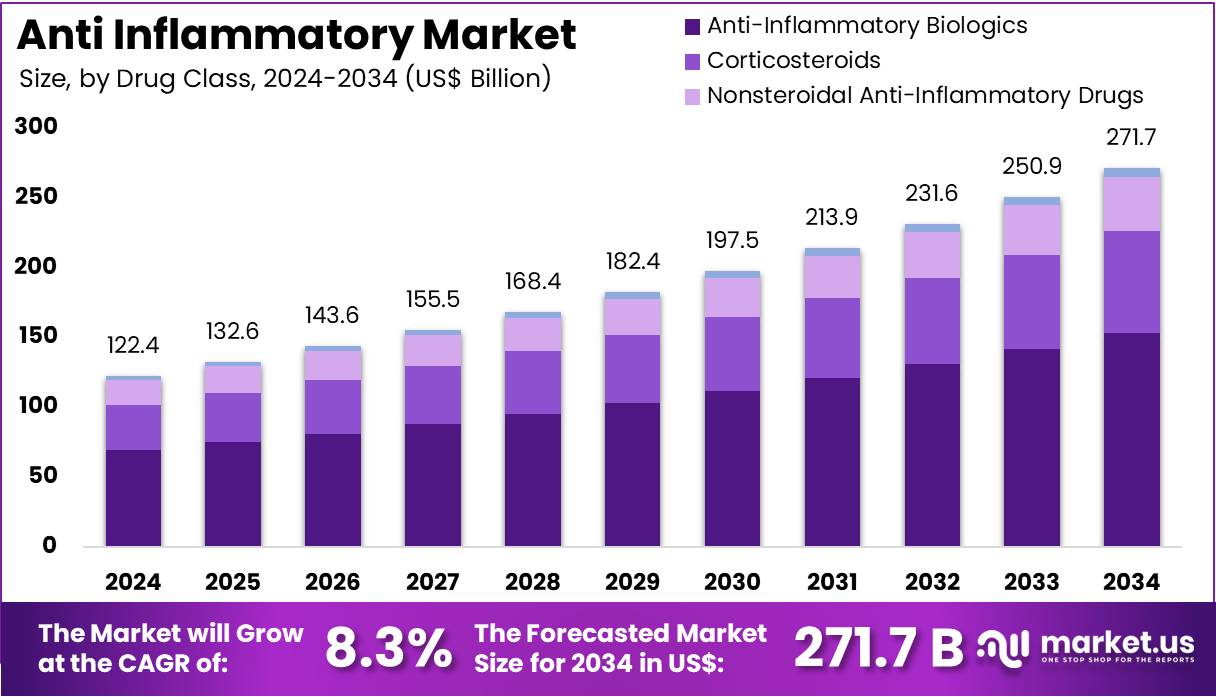
New York, NY – May 25, 2026 – The Global Anti Inflammatory Market size is expected to be worth around US$ 217.7 Billion by 2034, from US$ 122.4 Billion in 2024, growing at a CAGR of 8.3% during the forecast period from 2025 to 2034. North America held a dominant market position, capturing more than a 38.8% share and holds US$ 47.5 Billion market value for the year.
The global focus on preventive healthcare and chronic disease management has increased interest in anti-inflammatory therapies and products. Inflammation is a natural biological response that helps the body protect itself against infections, injuries, and harmful stimuli. However, prolonged or chronic inflammation has been associated with several health conditions, including arthritis, cardiovascular diseases, diabetes, autoimmune disorders, and certain respiratory disorders.
Anti-inflammatory treatments are designed to reduce swelling, pain, redness, and tissue damage caused by inflammatory responses. These treatments include pharmaceutical drugs such as nonsteroidal anti-inflammatory drugs (NSAIDs), corticosteroids, and biologics, along with natural and plant-based alternatives containing ingredients such as turmeric, ginger, omega-3 fatty acids, and green tea extracts.
The increasing prevalence of chronic inflammatory diseases, rising aging population, and growing awareness regarding early disease management are supporting market growth. In addition, advancements in biotechnology and drug development have contributed to the introduction of targeted anti-inflammatory therapies with improved efficacy and reduced side effects.
The demand for natural and clean-label anti-inflammatory products is also expanding, particularly in the nutraceutical and functional food sectors. North America currently represents a significant market due to advanced healthcare infrastructure and high healthcare spending, while Asia-Pacific is emerging as a rapidly growing region driven by increasing healthcare awareness and expanding pharmaceutical manufacturing activities.
Key Takeaways
- In 2024, the anti-inflammatory market generated revenue of US$ 112.4 billion and is projected to reach US$ 271.7 billion by 2034, expanding at a CAGR of 8.3% during the forecast period.
- Based on drug class, the market is segmented into anti-inflammatory biologics, corticosteroids, nonsteroidal anti-inflammatory drugs (NSAIDs), and others. Among these, anti-inflammatory biologics accounted for the largest market share of 56.5% in 2024.
- By treatment type, the market is categorized into arthritis, chronic obstructive pulmonary disease (COPD), inflammatory bowel disease, multiple sclerosis, and others. The arthritis segment dominated the market with a share of 48.2% in 2024.
- In terms of route of administration, the market is segmented into oral, injection, intranasal, and topical. The oral segment emerged as the leading category, capturing 58.7% of the total market revenue in 2024.
- Based on sales channel, the market is divided into prescription and over-the-counter segments. The prescription segment held the dominant position with a revenue share of 62.3% in 2024.
- North America dominated the global anti-inflammatory market in 2024, accounting for a market share of 38.8%.
Regional Analysis
North America dominated the anti-inflammatory market in 2024, accounting for the largest revenue share of 38.8%. The regional market growth is primarily supported by the rising aging population and the increasing prevalence of chronic inflammatory diseases such as arthritis, rheumatoid arthritis, and inflammatory bowel disease.
According to the Centers for Disease Control and Prevention (CDC), around 54.4 million adults in the US were diagnosed with arthritis between 2019 and 2021, significantly driving the demand for anti-inflammatory therapies. In addition, the growing incidence of osteoarthritis among individuals aged 65 years and above continues to strengthen market expansion.
Ongoing research initiatives by organizations such as the National Institutes of Health (NIH), along with the approval of new drug formulations and biosimilars by the US Food and Drug Administration (FDA), are further contributing to market development across the region.
Asia Pacific is expected to register the fastest CAGR during the forecast period owing to the rapidly increasing geriatric population and the growing burden of lifestyle-related inflammatory disorders. Rising awareness regarding chronic pain management, improving healthcare infrastructure, and government initiatives focused on healthcare accessibility are anticipated to support market growth. Furthermore, the increasing adoption of advanced diagnostic technologies is expected to enhance treatment demand across the region.
Emerging Trends
- Shift Toward Biologics and Targeted Therapies: The anti-inflammatory market is increasingly shifting toward biologics and targeted therapies that block specific inflammatory pathways. These treatments provide improved effectiveness with fewer side effects, particularly for chronic conditions such as rheumatoid arthritis and Crohn’s disease, driving demand for advanced therapeutic solutions.
- Focus on Personalized Medicine: Personalized medicine is becoming an important trend in the anti-inflammatory market as treatments are tailored according to genetics, immune response, and disease severity. This approach improves treatment effectiveness, minimizes side effects, and supports better outcomes for patients suffering from chronic inflammatory disorders.
- Natural and Plant-Based Alternatives: Growing consumer preference for natural healthcare products is increasing demand for plant-based anti-inflammatory solutions such as turmeric, ginger, and omega-3 supplements. These products are considered safer for long-term use and are gaining popularity among health-conscious consumers across developed and emerging economies.
- Increased Use of Digital Health Tools: Digital health technologies, including wearable devices and mobile applications, are transforming inflammation management by enabling real-time symptom monitoring. These tools improve patient engagement, support remote healthcare services, and help physicians optimize treatment plans for chronic inflammatory diseases more efficiently.
- Chronic Disease Management at Home: The growing preference for home-based healthcare is increasing the adoption of self-administered anti-inflammatory treatments, including injectables and transdermal patches. Patients benefit from improved convenience, reduced hospital visits, and lower healthcare costs, encouraging pharmaceutical companies to develop user-friendly therapeutic products.
- Inflammation Research in Other Diseases: Research activities are increasingly exploring the role of inflammation in diseases such as Alzheimer’s, depression, and cardiovascular disorders. This trend is expanding opportunities for anti-inflammatory drug development and may lead to broader therapeutic applications beyond traditional inflammatory disease treatment areas.
Use Cases
- Managing Autoimmune Diseases: Anti-inflammatory drugs are widely used in managing autoimmune diseases such as lupus, psoriasis, and multiple sclerosis. These medications help reduce inflammation, control disease progression, minimize flare-ups, and improve patient quality of life through long-term therapeutic management strategies.
- Pain Relief in Orthopedic and Sports Injuries: Anti-inflammatory medications are commonly prescribed for sports injuries, orthopedic conditions, and post-surgical recovery to reduce pain and swelling. These treatments support faster healing, improve mobility, and reduce dependence on stronger pain medications such as opioids during rehabilitation processes.
- Treatment of Respiratory Conditions: Anti-inflammatory therapies play a critical role in managing respiratory diseases including asthma, chronic bronchitis, and chronic obstructive pulmonary disease (COPD). These medications reduce airway inflammation, improve breathing function, and decrease the risk of severe respiratory complications and hospital admissions.
- Controlling Inflammatory Bowel Diseases (IBD): Anti-inflammatory drugs are essential for treating inflammatory bowel diseases such as Crohn’s disease and ulcerative colitis. These therapies help control intestinal inflammation, reduce symptoms, prevent disease flare-ups, and improve the overall quality of life for patients requiring long-term care.
- Skin Condition Treatments: Topical anti-inflammatory products are widely used for treating skin conditions including eczema, dermatitis, and allergic rashes. These medications help reduce redness, itching, and swelling while providing quick symptom relief, supporting growing demand for effective dermatological treatment solutions worldwide.
- Managing Post-Surgical Inflammation: Anti-inflammatory drugs are commonly used after surgical procedures to manage pain, swelling, and tissue inflammation. These treatments support faster patient recovery, reduce discomfort, and minimize the need for opioid-based pain management, contributing to safer post-operative care practices.
Frequently Asked Questions on Anti Inflammatory
- What factors are driving the growth of the anti-inflammatory market?
The growth of the anti-inflammatory market is primarily driven by the increasing prevalence of chronic inflammatory diseases, rising geriatric population, growing healthcare expenditure, and advancements in biologic therapies. In addition, increasing awareness regarding early disease management is supporting the demand for anti-inflammatory treatments globally. - Which drug class dominates the anti-inflammatory market?
Anti-inflammatory biologics represent the leading drug class in the market due to their high effectiveness in treating autoimmune and chronic inflammatory disorders. These therapies are increasingly preferred because they provide targeted treatment approaches with improved clinical outcomes and reduced long-term disease complications. - Why is arthritis a major application segment in the anti-inflammatory market?
Arthritis accounts for a significant share of the anti-inflammatory market because of the growing global incidence of osteoarthritis and rheumatoid arthritis. Increasing aging populations and sedentary lifestyles have contributed to rising cases, thereby increasing the demand for effective pain and inflammation management therapies. - Which route of administration is most commonly used in anti-inflammatory treatments?
The oral route of administration remains the most commonly used segment in the anti-inflammatory market due to its convenience, cost-effectiveness, and ease of patient compliance. Oral medications are widely prescribed for chronic inflammatory conditions and are easily accessible through healthcare providers and pharmacies. - Why does North America dominate the anti-inflammatory market?
North America dominates the anti-inflammatory market due to advanced healthcare infrastructure, strong pharmaceutical research activities, and high prevalence of chronic inflammatory diseases. The presence of major pharmaceutical companies and increasing approvals for innovative therapies further support regional market growth and product accessibility. - What role do biologics play in anti-inflammatory treatment?
Biologics play a critical role in anti-inflammatory treatment by targeting specific components of the immune system responsible for inflammation. These therapies are particularly effective in managing severe autoimmune diseases such as rheumatoid arthritis, psoriasis, and inflammatory bowel disease with improved treatment precision. - What is the future outlook for the anti-inflammatory market?
The anti-inflammatory market is expected to witness strong long-term growth due to continuous advancements in biologics, increasing research investments, and rising demand for personalized therapies. Expanding healthcare infrastructure and growing awareness regarding chronic disease management are anticipated to create significant future market opportunities.
Conclusion
The global anti-inflammatory market is expected to witness substantial growth owing to the increasing prevalence of chronic inflammatory diseases, rising geriatric population, and continuous advancements in biologic and targeted therapies. Growing awareness regarding preventive healthcare, personalized medicine, and home-based disease management is further supporting market expansion.
In addition, the rising demand for natural and plant-based anti-inflammatory products is creating new growth opportunities across nutraceutical and pharmaceutical sectors. North America currently dominates the market, while Asia Pacific is anticipated to emerge as the fastest-growing region. Ongoing research and innovation are expected to strengthen the future outlook of the anti-inflammatory industry globally.
Discuss your needs with our analyst
Please share your requirements with more details so our analyst can check if they can solve your problem(s)




