


Overview
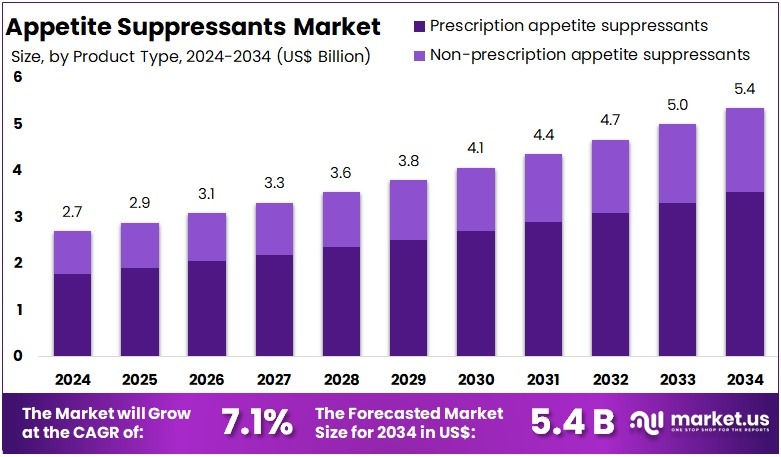
New York, NY – Sep 07, 2026 – The Global Appetite Suppressants Market size is expected to be worth around US$ 5.4 Billion by 2034, from US$ 2.7 Billion in 2024, growing at a CAGR of 7.1% during the forecast period from 2025 to 2034. North America held a dominant market position, capturing more than a 42.3% share and holds US$ 1.1 Billion market value for the year.
The global appetite suppressants market is gaining significant attention as obesity and overweight rates continue to increase worldwide. Appetite suppressants are prescription and over-the-counter products designed to reduce hunger, helping individuals manage calorie intake alongside a healthy diet and exercise.
Growing awareness of weight management, rising healthcare spending, and advances in anti-obesity therapies are supporting market expansion. Increasing adoption of glucagon-like peptide-1 (GLP-1) receptor agonists and other innovative drug classes is reshaping treatment approaches for obesity.
According to the World Health Organization (WHO), more than 1 billion people worldwide were living with obesity in recent years, including approximately 890 million adults, while over 2.5 billion adults aged 18 years and older were classified as overweight.
The U.S. Centers for Disease Control and Prevention (CDC) estimates that adult obesity prevalence exceeds 40% in the United States, emphasizing the growing demand for effective weight-management solutions. Prescription appetite suppressants are increasingly recommended for adults with a Body Mass Index (BMI) of 30 kg/m² or higher, or 27 kg/m² or higher when obesity-related health conditions are present.
North America remains the leading regional market due to high obesity prevalence, favorable reimbursement for selected therapies, and strong pharmaceutical innovation. Meanwhile, the Asia-Pacific is emerging as a high-growth region driven by rising urbanization, sedentary lifestyles, and expanding healthcare access.
Continuous product innovation, digital weight-management programs, and increasing clinical research investments are expected to create new opportunities for manufacturers throughout the forecast period.
Key Takeaways
- The Global Appetite Suppressants Market is expected to grow from US$ 2.7 billion in 2024 to US$ 5.4 billion by 2034, expanding at a 7.1% CAGR during the forecast period.
- Prescription appetite suppressants emerged as the leading product type in 2024, accounting for more than 66.3% of the overall market share.
Tablets and capsules dominated the formulation segment in 2024, representing over 72.5% of total market demand due to their convenience and widespread availability. - The oral route of administration held a significant market position in 2024, contributing more than 69.6% of total usage across appetite suppressant products.
- Obesity management remained the primary application segment in 2024, capturing more than 60.1% of the market share due to increasing demand for weight-control therapies.
- Consumers aged 31–50 years represented the largest user group in 2024, accounting for over 42.0% of the total demand for appetite suppressants.
Female consumers accounted for the leading demographic segment in 2024, holding more than 65.2% of the overall market share. - Pharmacies and drug stores were the dominant distribution channels in 2024, generating more than 45.6% of total sales through their accessibility and established retail networks.
- North America led the global Appetite Suppressants Market in 2024, capturing a 42.3% share with a market value of approximately US$1.1 billion.
Market Segmentation
- Product Type Analysis: In 2024, prescription appetite suppressants dominated the market with a 66.3% share, supported by clinical effectiveness, physician recommendations, and rising obesity prevalence. Drugs such as liraglutide, semaglutide, and tirzepatide increased adoption. Non-prescription products showed moderate growth due to accessibility and natural ingredients but faced limitations from inconsistent clinical evidence.
- Form Analysis: In 2024, tablets and capsules led the formulation segment with a 72.5% share, driven by convenience, accurate dosing, and strong consumer acceptance. Liquid and powder forms gained attention due to faster absorption and flexible usage. Emerging formats such as gummies, sprays, and patches showed gradual growth through innovative delivery approaches.
- Route of Administration Analysis: The oral route dominated the Appetite Suppressants Market in 2024, accounting for 69.6% share due to easy administration, affordability, and widespread availability. Injectable therapies gained momentum through advanced weight-loss treatments and clinical benefits. Transdermal patches remained a niche segment, supported by non-invasive delivery and ongoing innovation in drug administration technologies.
- Application Analysis: Obesity management represented the leading application segment in 2024 with a 60.1% share, driven by increasing obesity rates and demand for effective weight-control solutions. Metabolic health support, sports and fitness applications, and bariatric care also contributed to growth. Rising awareness and structured healthcare programs supported broader adoption across applications.
- Age Group Analysis: The 31–50 years age group dominated in 2024 with a 42.0% share, supported by higher obesity risks, lifestyle challenges, and greater purchasing capacity. Younger adults showed rising interest through fitness trends and digital platforms, while older consumers preferred medically guided solutions. Age-specific preferences influenced overall market growth patterns.
- Gender Analysis: The female segment led the market in 2024 with a 65.2% share, driven by increased health awareness, weight-management goals, and adoption of wellness products. Online platforms and structured diet programs improved accessibility. The male segment showed steady growth due to rising fitness participation and increasing focus on metabolic health and body management.
Statistical Information
- In 2025, a 71-week randomized clinical trial of oral semaglutide 25 mg showed a mean body-weight reduction of 13.6% at week 64 compared with 2.2% with placebo among adults with overweight or obesity.
- The 2025 oral semaglutide trial enrolled 307 participants, including 205 participants receiving oral semaglutide and 102 receiving placebo, to evaluate appetite-control and weight-management outcomes.
- A 2025 clinical study of a semaglutide injection formulation reported a 24-week mean weight reduction of 11.25%, compared with 11.50% for reference semaglutide, demonstrating comparable treatment performance.
- The 2025 semaglutide injection study found that 90.4% of treated participants achieved at least 5% weight loss, while 58.0% achieved at least 10% weight loss after 24 weeks.
- A comparative obesity treatment study reported in 2025 showed tirzepatide produced a 20.2% mean body-weight reduction at 72 weeks compared with 13.7% for semaglutide, highlighting differences in appetite suppressant efficacy.
- The 2025 tirzepatide versus semaglutide comparison study included 751 randomized participants and evaluated weight reduction outcomes over a 72-week treatment period.
- In 2025 clinical evaluations, tirzepatide treatment produced an average waist circumference reduction of 18.4 cm compared with 13.0 cm for semaglutide after 72 weeks.
- A 2025 clinical trial of oral semaglutide 25 mg was conducted across 22 sites in 4 countries, using a 2:1 randomization ratio between treatment and placebo groups.
Regional Analysis
North America dominated the Appetite Suppressants Market in 2024, accounting for more than 42.3% share with a market value of approximately US$ 1.1 billion. The region’s growth was driven by the increasing prevalence of obesity, rising demand for weight-management therapies, and strong consumer awareness regarding healthy lifestyle practices.
The United States remains a key contributor due to advanced healthcare infrastructure, high adoption of prescription weight-loss medications, and growing physician involvement in obesity management.
The region benefits from well-established pharmaceutical research, regulatory frameworks, and extensive distribution networks, including pharmacies, retail stores, and online platforms. Increasing preference for clinically validated therapies and natural appetite-control products has further supported market expansion.
Additionally, digital health platforms, telemedicine services, and personalized weight-management programs are improving access to treatment options. Continuous innovation in anti-obesity medications and growing healthcare investments are expected to sustain North America’s leadership in the appetite suppressants market.
Business Opportunities
The Appetite Suppressants Market offers significant business opportunities due to increasing obesity prevalence, rising demand for weight-management solutions, and advancements in anti-obesity therapies. Pharmaceutical companies can capitalize on the growing adoption of GLP-1 receptor agonists, including semaglutide and tirzepatide-based treatments, by developing improved formulations with enhanced safety, affordability, and patient convenience.
Opportunities also exist in the development of oral appetite suppressants, extended-release formulations, and personalized weight-management therapies that improve treatment adherence.
The expansion of digital healthcare, telemedicine platforms, and AI-based nutrition management creates new opportunities for integrated obesity-care solutions. Companies can combine appetite suppressant medications with digital monitoring tools, wearable devices, and personalized lifestyle programs to provide comprehensive weight-management services.
Additionally, rising consumer preference for natural and clean-label products is encouraging innovation in plant-based appetite suppressants, functional ingredients, and scientifically validated wellness supplements.
Emerging markets provide further growth potential due to increasing healthcare awareness, urbanization, and improving access to obesity treatments. Strategic partnerships between pharmaceutical companies, healthcare providers, online pharmacies, and digital health platforms can enhance product distribution and patient reach.
Investment in clinical research, combination therapies, and next-generation metabolic treatments will remain important opportunities for companies seeking long-term growth in the global appetite suppressants market.
Emerging Trends
- Growth of GLP-1-Based Appetite Suppressants: GLP-1 receptor agonists are becoming a major trend in appetite management due to strong clinical outcomes. FDA-approved tirzepatide demonstrated significant weight-loss benefits, with patients achieving up to 12% body-weight reduction at the highest approved dose, encouraging wider adoption of advanced obesity therapies.
- Development of Next-Generation Weight Loss Therapies: Pharmaceutical companies are focusing on improved appetite suppressant formulations with enhanced effectiveness and convenience. In 2026, the FDA approved a higher-dose semaglutide injection option of 7.2 mg, supporting innovation in chronic weight-management treatments and expanding therapeutic choices.
- Obesity Recognition as a Chronic Disease: Healthcare organizations increasingly view obesity as a long-term medical condition requiring continuous management. According to WHO, more than 1 billion people globally were living with obesity, increasing demand for safe appetite-control medications and structured weight-management programs.
- Integration of Digital Health Solutions: Digital platforms are becoming an important trend in appetite suppressant treatment by combining medication tracking, nutrition guidance, and behavioral support. Research reviewed 26 digital weight-management interventions, showing increased adoption of technology-based approaches for improving patient engagement.
- Focus on Safety Monitoring and Personalized Treatment: As appetite suppressants gain wider use, personalized monitoring is becoming essential. A real-world analysis of 410,198 online health discussions identified gastrointestinal effects, including nausea in 36.9% and vomiting in 16.3% of reported cases, supporting better safety management
Use Cases
- Medical Obesity Management: Appetite suppressants are primarily used for treating obesity among eligible patients. FDA-approved therapies are recommended for adults with a BMI of 30 kg/m² or higher, or BMI of 27 kg/m² with weight-related health conditions, supporting medically supervised weight reduction.
- Support for Metabolic Health Conditions: Appetite suppressants are increasingly used among individuals with obesity-related metabolic risks. GLP-1-based therapies help regulate appetite and support improved metabolic control, making them valuable tools for patients managing weight-related conditions such as diabetes and insulin resistance.
- Combination with Diet and Exercise Programs: Healthcare providers use appetite suppressants alongside lifestyle modifications for improved outcomes. FDA recommendations highlight combining approved obesity medicines with reduced-calorie diets and increased physical activity, creating comprehensive weight-management programs for long-term health improvement.
- Cardiovascular Risk Management: Appetite suppressants are being applied to reduce obesity-associated cardiovascular risks. CDC obesity surveillance programs continue tracking adult obesity trends across U.S. regions, with data covering 49 states, highlighting the need for effective interventions targeting weight-related health complications.
- Digital-Based Personalized Weight Management: Appetite suppressant therapies are increasingly combined with digital healthcare platforms. These solutions provide medication reminders, nutrition tracking, and behavioral support, enabling continuous patient monitoring and personalized care approaches that improve adherence and support sustainable weight-management outcomes.
Recent Development
- In November 2025, Eli Lilly and Company announced an agreement with the U.S. government to improve access to obesity medicines. The initiative aimed to expand the availability of Zepbound and future obesity therapies, including access programs targeting nearly 40 million Americans covered by government insurance programs.
- In May 2026, Eli Lilly and Company released a new Phase 3 analysis of Foundayo™ (orforglipron) showing weight reduction benefits in older adults with obesity or overweight. The highest approved dose was associated with up to 13% mean body-weight reduction at 72 weeks in adults aged 65 years and older without type 2 diabetes.
- In May 2026, Novo Nordisk A/S reported growth in its obesity care business, supported by continued demand for GLP-1-based treatments. The company reported that adjusted obesity care sales increased by 22% at constant exchange rates in Q1 2026, reflecting continued adoption of obesity therapies.
Frequently Asked Questions on the Appetite Suppressants
- What is driving the growth of the Appetite Suppressants Market?
The Appetite Suppressants Market is expanding due to increasing obesity rates, growing awareness of weight-related health risks, and rising demand for effective weight-control solutions. Advances in prescription therapies, digital healthcare services, and personalized obesity treatments are further supporting market development. - Which type of appetite suppressant is most widely used?
Prescription appetite suppressants are among the most widely used products because they undergo clinical evaluation and require medical supervision. Increasing adoption of GLP-1-based therapies, including semaglutide and tirzepatide, has strengthened demand for evidence-based obesity management treatments. - Are appetite suppressants approved for long-term weight management?
Some appetite suppressants are approved for long-term weight management when prescribed for eligible patients. Healthcare providers consider factors such as medical history, body mass index, and treatment response before recommending continued use to ensure safety and effectiveness. - What are the major applications of appetite suppressants?
Appetite suppressants are primarily used for obesity management and weight reduction programs. They are also applied in metabolic health support, bariatric care, and medically supervised lifestyle programs. Their use continues to expand as obesity is recognized as a chronic health condition. - How are GLP-1 therapies changing the Appetite Suppressants Market?
GLP-1 therapies are transforming the appetite suppressants market by offering improved appetite regulation and weight-loss outcomes. These treatments influence hunger hormones and metabolic pathways, encouraging pharmaceutical companies to invest in innovative obesity medicines and next-generation treatment approaches. - Which companies are leading innovation in the Appetite Suppressants Market?
Leading companies developing appetite suppressant therapies include Novo Nordisk, Eli Lilly, Takeda Pharmaceutical, Currax Pharmaceuticals, Teva Pharmaceuticals, and Sun Pharmaceutical Industries. These companies focus on obesity medicines, metabolic therapies, innovative formulations, and expanding access to weight-management solutions. - What future opportunities exist in the Appetite Suppressants Market?
Future opportunities include developing oral formulations, combination therapies, personalized obesity treatments, and digital healthcare solutions. Companies can also expand into emerging markets by improving affordability, distribution networks, and patient access to safe and effective appetite-control therapies.
Conclusion
The Appetite Suppressants Market is experiencing strong transformation due to rising obesity concerns, increasing demand for effective weight-management therapies, and continuous innovation in metabolic medicines. The growing adoption of GLP-1-based treatments, improved drug formulations, and digital healthcare integration is reshaping obesity care.
Leading pharmaceutical companies are focusing on safer, more accessible, and patient-friendly solutions to address long-term weight management needs. Regulatory authorities are also strengthening safety monitoring and development guidelines for obesity therapies.
With continued research, expanding treatment options, and increasing healthcare awareness, the market is expected to witness sustained growth opportunities, particularly through advanced prescription therapies and personalized weight-management approaches.
Discuss your needs with our analyst
Please share your requirements with more details so our analyst can check if they can solve your problem(s)




